%2Ffit-in%2F250x250%2Fguide_websites%2F121753%2Fimages%2F1773809620373justonebitecharters.png&w=1920&q=100)
/users/690dee96-a258-41ec-b289-ff96dcad42a2/ratecard/501220327_122104761080878661_2368496013419734616_n-mmvivj23.jpg)
%2F300x300%2Fusers%2F690dee96-a258-41ec-b289-ff96dcad42a2%2Fratecard%2F501220327_122104761080878661_2368496013419734616_n-mmvivj23.jpg&w=256&q=75)
%2F300x300%2Fusers%2F690dee96-a258-41ec-b289-ff96dcad42a2%2Fimages%2Fcalifornia-flounder-mastic-beach-catch-2695.jpg&w=256&q=75)
%2F300x300%2Fusers%2F690dee96-a258-41ec-b289-ff96dcad42a2%2Fimages%2Fsummer-flounder-mastic-beach-catch-2679.jpg&w=256&q=75)
%2F300x300%2Fusers%2F690dee96-a258-41ec-b289-ff96dcad42a2%2Fimages%2Fmastic-beach-fishing-catch-2675.jpg&w=256&q=75)
%2F300x300%2Fusers%2F690dee96-a258-41ec-b289-ff96dcad42a2%2Fimages%2Fmastic-beach-bluefish-catch-2679.jpg&w=256&q=75)
%2F300x300%2Fusers%2F690dee96-a258-41ec-b289-ff96dcad42a2%2Fimages%2Fsummer-flounder-mastic-beach-fishing-2596.jpg&w=256&q=75)
%2F300x300%2Fusers%2F690dee96-a258-41ec-b289-ff96dcad42a2%2Fimages%2Fmastic-beach-striped-bass-catch-2608.jpg&w=256&q=75)
%2F300x300%2Fusers%2F690dee96-a258-41ec-b289-ff96dcad42a2%2Fimages%2Fspiny-dogfish-mastic-beach-catch-2768.jpg&w=256&q=75)
%2F300x300%2Fusers%2F690dee96-a258-41ec-b289-ff96dcad42a2%2Fimages%2Fmastic-beach-striped-bass-catch-2724.jpg&w=256&q=75)
%2F300x300%2Fusers%2F690dee96-a258-41ec-b289-ff96dcad42a2%2Fimages%2Fmastic-beach-striped-bass-catch-2668.jpg&w=256&q=75)
%2F300x300%2Fusers%2F690dee96-a258-41ec-b289-ff96dcad42a2%2Fimages%2Fmastic-beach-fishing-trip-2584.jpg&w=256&q=75)
Ocean Wreck Striped Bass Charter Mastic Beach
 Mastic Beach, NY
What you will be catching:
 Black Sea Bass
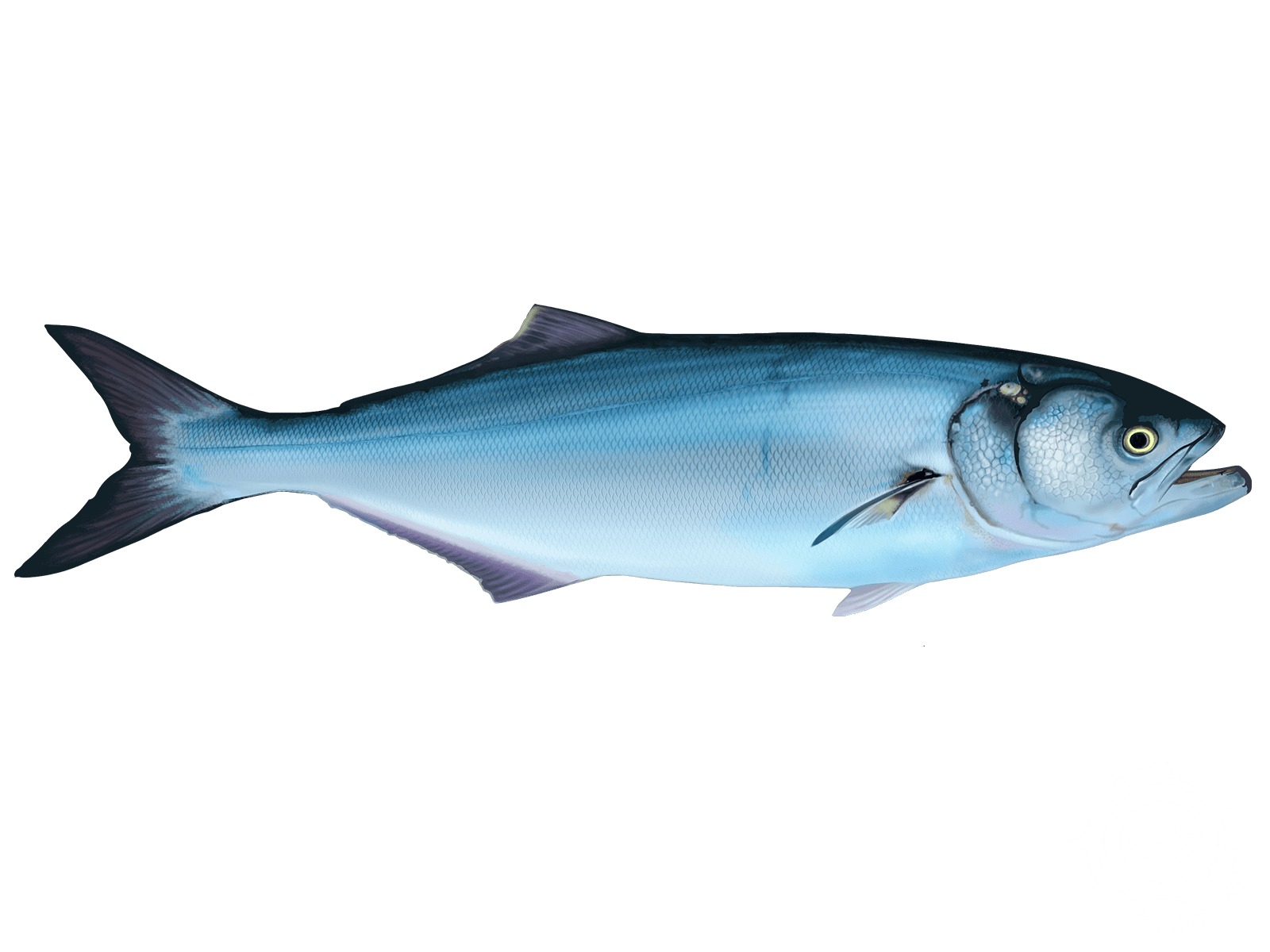
 Bluefish
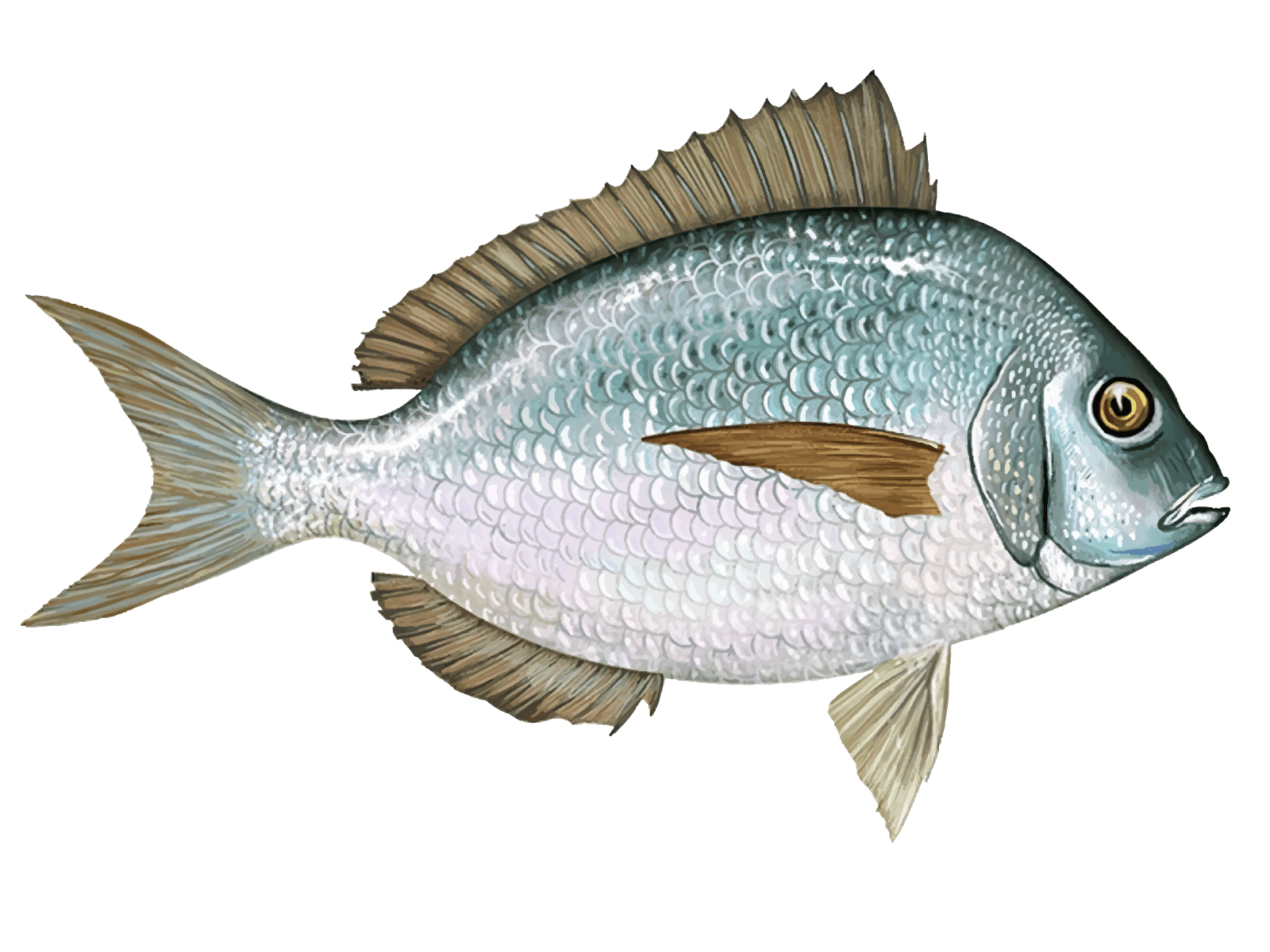
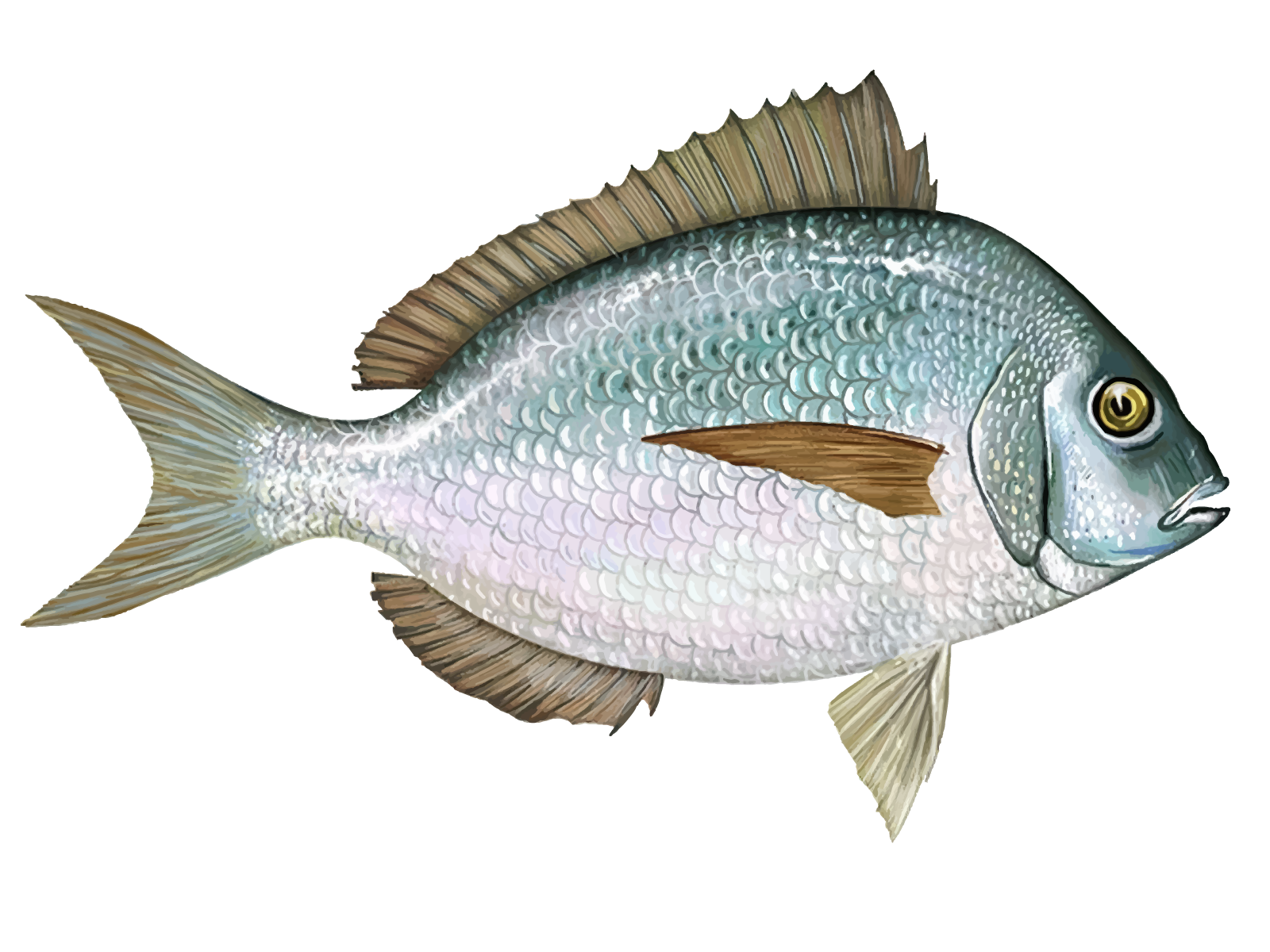 Scup
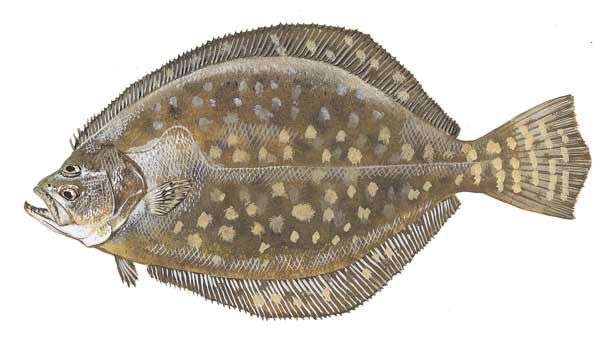
Scup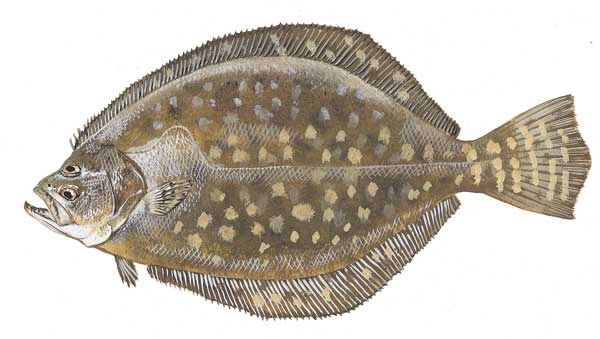 Southern Flounder
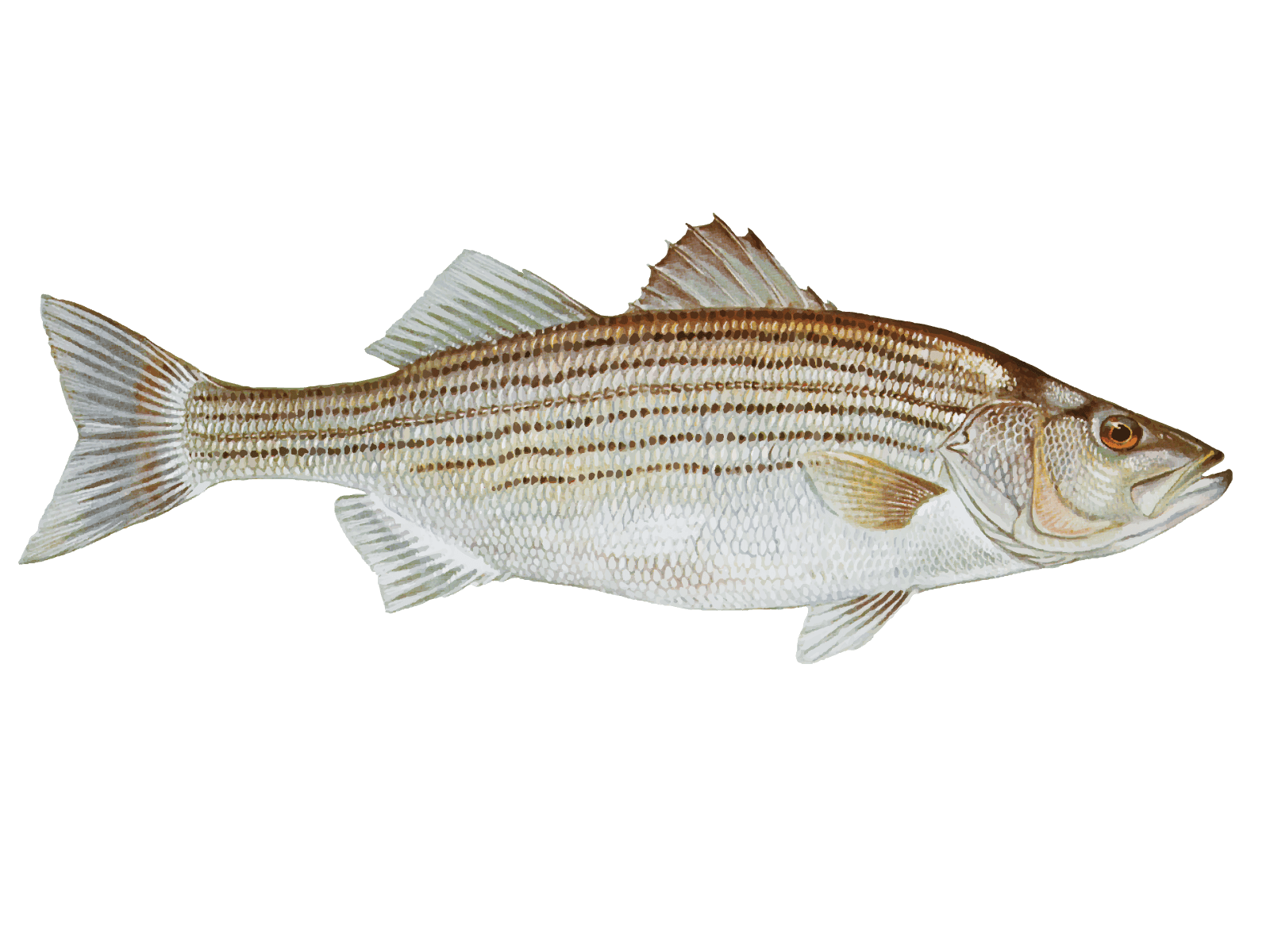
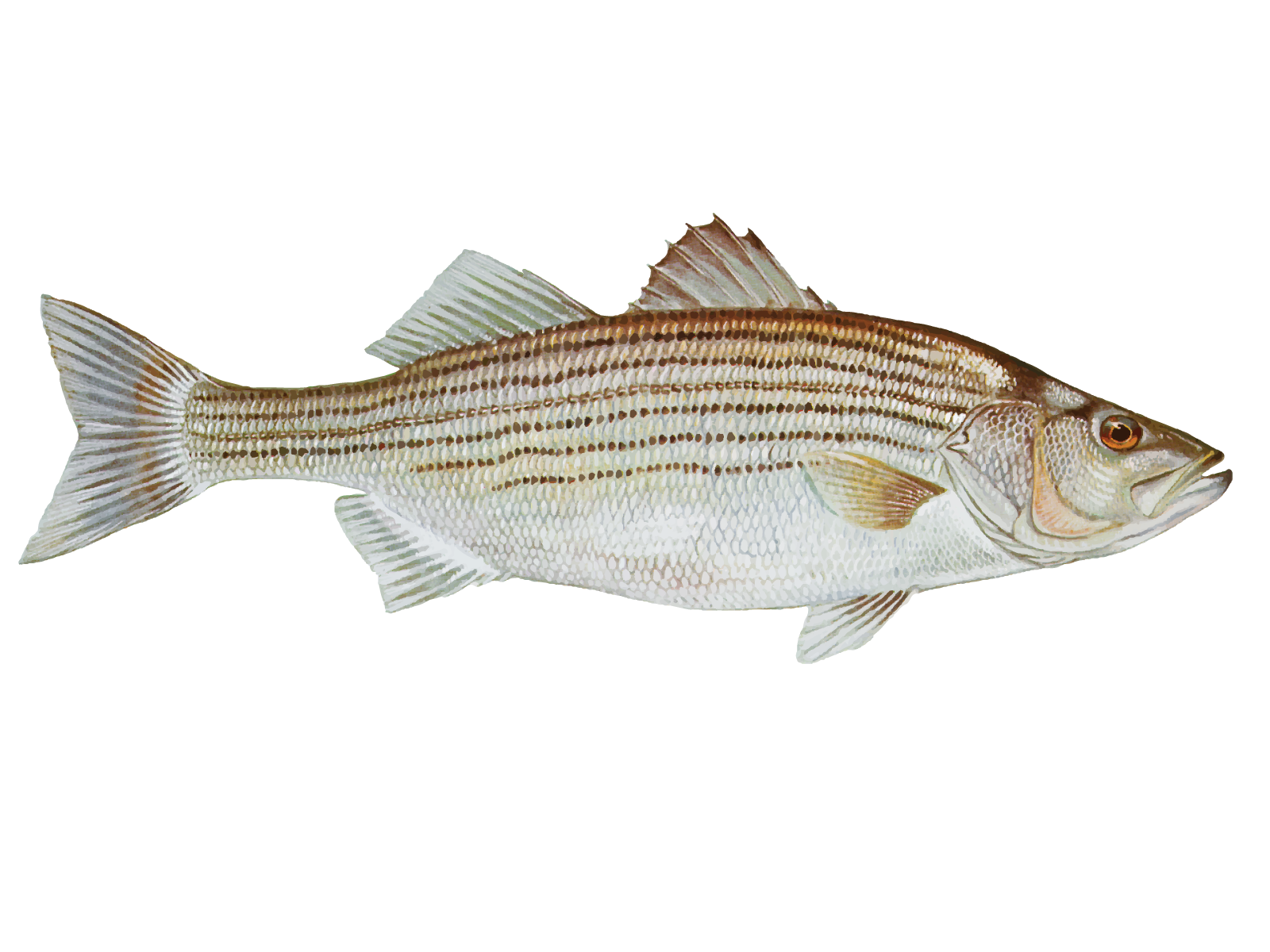 Striped Bass
- This eight-hour ocean charter takes you out from Mastic Beach at dawn to hunt striped bass around productive Long Island reefs and wrecks. Captain Paul sets you up with live bait and bottom rigs that work well in these waters, making it straightforward for beginners while still delivering solid action for experienced anglers. The boat handles up to four guests comfortably, so it's perfect for families or small groups wanting a full day on the water. All your gear and NY licenses are covered, and Paul knows these local spots well. You'll be back by mid-afternoon with some great stories and hopefully a cooler full of keeper bass. Just bring sunglasses, reef-safe sunscreen, and snacks for the day.
Trip Pricing and Availabilities:
Full Day Wreck Fishing in Mastic Beach
Looking to get serious about bottom fishing for striped bass? Captain Paul's eight-hour ocean charter out of Mastic Beach puts you right where the big fish hang out - around the productive wrecks and reefs that dot the waters off Long Island's south shore. This isn't your typical inshore trip. We're talking about hitting the structure where trophy stripers, hefty sea bass, and hard-fighting bluefish make their living. With departure at 6:00 AM, you'll have the full day to work these underwater honey holes before the crowds show up.
What to Expect on the Water
Captain Paul knows these waters like the back of his hand, and he's got this trip dialed in perfectly for both beginners and seasoned anglers. The boat's equipped with everything you need - quality rods, reels, and all the terminal tackle to handle whatever's living on these wrecks. Your fishing license is covered too, so you can focus on what matters: getting fish in the boat. We're running live bait presentations and solid bottom fishing techniques that consistently produce results on these structures. The beauty of wreck fishing is that you're targeting fish that are already concentrated and feeding aggressively around these artificial reefs. Plan on staying comfortable throughout the day by bringing polarized sunglasses to cut through the glare, reef-safe sunscreen, and your own food and drinks since meals aren't provided.
Wreck Fishing Tactics That Work
Wreck fishing is all about precision and presentation. Captain Paul positions the boat so you're dropping baits right into the strike zone where these structures create current breaks and ambush points. We're using circle hooks with live bait - typically squid, clams, and whatever fresh bait is running hot that day. The key is getting your offering down to where the fish are holding without getting hung up in the wreck itself. That's where experience pays off, and Paul's got decades of it on these specific spots. You'll learn to feel the difference between a fish pickup and structure contact, how to work a bait in current around these underwater obstacles, and why certain presentations outproduce others depending on tide and conditions. The tackle's sized right for the job - heavy enough to handle good fish and pull them away from cover, but sensitive enough to detect those subtle bites that wreck fish are famous for.
Top Catches This Season
Striped Bass are the main event here, and these wrecks hold some serious fish. Spring through fall, you'll find bass from schoolies up to real cows stacked around these structures. They use the wrecks as feeding stations, picking off baitfish that get disoriented in the current swirls and eddies. What makes stripers so special is their fight - they'll make long runs, try to wrap you around the wreck, and keep pulling right to the boat. Plus, they're excellent table fare when prepared fresh.
Black Sea Bass are wreck specialists and absolute blast to catch on light tackle. These chunky bottom dwellers rarely leave the structure, making them reliable targets year-round until the season closes in winter. They hit hard, fight dirty with lots of head shaking, and their firm white meat makes them a favorite for the dinner table. Peak season runs May through October, with the bigger fish showing up in deeper water as temperatures drop.
Scup, or porgy as the locals call them, might not get the respect they deserve, but they're scrappy fighters and phenomenal eating. These silver bullets school up thick around wrecks during summer months, often providing non-stop action when the bite gets going. They're perfect for kids and beginners since they're aggressive feeders and relatively easy to hook and land.
Southern Flounder are the wildcards of wreck fishing. While most people think of them as creatures of sandy bottom and grass beds, big fluke often hunt around the edges of wrecks where they can ambush prey. When you hook into a doormat flounder near structure, you're in for a memorable fight as they use their broad body to leverage against the current.
Bluefish turn wreck fishing into an adrenaline rush. When schools of blues move through these areas during their seasonal migrations, the action gets absolutely crazy. They're aggressive predators that hit baits hard and fight like fish twice their size. Blues also make excellent bait for targeting bigger striped bass, so even smaller ones serve a purpose.
Time to Book Your Spot
This full-day wreck fishing charter delivers exactly what serious anglers are looking for - access to productive structure, professional guidance, and a real shot at memorable fish. Captain Paul's local knowledge of these wrecks and reefs gives you a huge advantage over trying to figure it out on your own. With all gear provided and licenses covered, you just need to show up ready to fish. The four-person capacity keeps things comfortable and ensures everyone gets plenty of attention and coaching. Whether you're looking to introduce family members to offshore fishing or want to target some of Long Island's best striped bass fishing, this trip puts you in the right place at the right time with the right approach.
Learn more about the animals
Black Sea Bass
Black sea bass are our bread-and-butter wreck fish, typically running 1-3 pounds with some chunky 5+ pounders mixed in. These grouper cousins love structure - wrecks, reefs, and rocky bottoms in 30-120 feet of water. Late spring through summer is peak season when they move inshore to spawn. Males turn bright blue during spawning and develop a distinctive hump on their heads. What makes sea bass fishing great is their willingness to bite and their excellent table fare - sweet, firm white meat that's hard to beat. They'll hit squid, clams, or small jigs bounced near bottom. Here's my local secret: once you hook one, keep fishing that exact spot. Sea bass are territorial and several fish often hold on the same piece of structure.
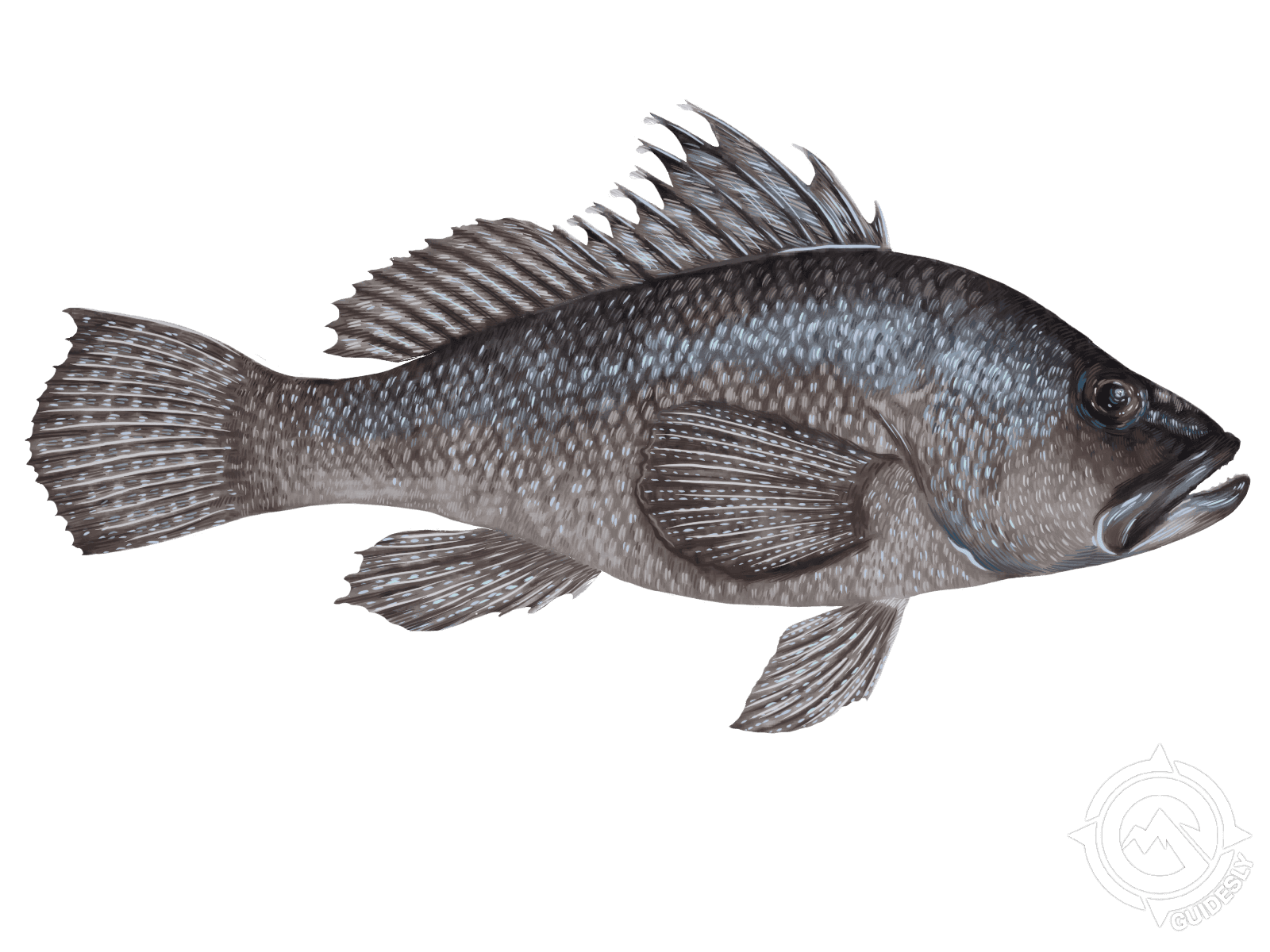
Bluefish
Blues are the aggressive bulldogs of our waters, running anywhere from 2-pound "snappers" in summer to 10+ pound "choppers" in fall. These toothy predators patrol our surf, bays, and offshore waters from June through October, following baitfish schools. When blues are feeding, you'll know it - they attack with such fury they'll churn the water white. What guests love is the non-stop action when you find a school, plus they put up a scrappy fight. The meat is rich and flavorful when fresh, though larger fish can be strong-tasting. Fair warning: watch your fingers around those razor-sharp teeth! My tip for blues is simple - when you see birds working over baitfish, get there fast and throw anything shiny. They're not picky when they're in feeding mode.
Scup
Scup, or porgies as we call them locally, are perfect for keeping kids busy and filling the cooler. These silver-scaled beauties typically run 1-2 pounds with some reaching 3-4 pounds. They live around our rocky bottoms and wrecks from May through October, heading offshore when water temps drop. Scup are bottom feeders with strong jaws built for crushing shells, so they'll hit squid, clams, and worms hard. What guests love about scup fishing is the constant action - they school up in good numbers and aren't too picky about taking bait. They're also excellent eating with firm, white meat. Here's a local trick: when you hook one scup, keep your bait right in that same spot because where there's one, there's usually a whole school waiting.
Southern Flounder
Southern flounder are the masters of disguise on our sandy and muddy bottoms. These flat fish typically run 15-18 inches, though we see some pushing 25+ inches on good days. They bury themselves in the sand waiting to ambush prey, so you'll find them in shallow bays and along structure edges where baitfish travel. Summer through early fall is prime time before they move offshore for winter. What makes flounder fishing special is the subtle bite - they'll often just hold your bait without much indication. The meat is top-notch, pure white flakes that make for great dinner. My go-to tip: use a slow drift over sandy areas and keep your bait moving just off bottom. When you feel weight or the rod loads up, don't jerk - just start reeling steadily since they often hook themselves.
Striped Bass
Stripers are the crown jewel of our local waters, running 20-40 pounds on average with some bruisers hitting 50+. These silver-sided fighters with their distinctive black stripes love hanging around our wrecks and reefs, especially during their spring and fall migrations. You'll find them from April through November, but late spring and early fall are prime time when they're feeding heavy. What makes stripers special? They're strong fighters that'll test your drag, plus they're excellent table fare with sweet, flaky meat. My tip: when you feel that first tap on bottom, don't set the hook right away. Let them take it and run a bit - stripers often mouth the bait first before committing to the meal.
About the Just One Bite
%2F%2Fusers%2F690dee96-a258-41ec-b289-ff96dcad42a2%2Fvehicle_picture%2Fjustonebite-mmvhka6n.jpg&w=1920&q=75)
Vehicle Guest Capacity: 4
Manufacturer Name: Mercury
Maximum Cruising Speed: 30
Number of Engines: 1
Horsepower per Engine: 250